
Ledger.com/Start® | Getting started®™ — Ledger Support
Begin your Ledger wallet setup at Ledger.com/start with clear instructions for connecting hardware, completing initialization, reviewing security guidance, and preparing to manage supported digital assets.
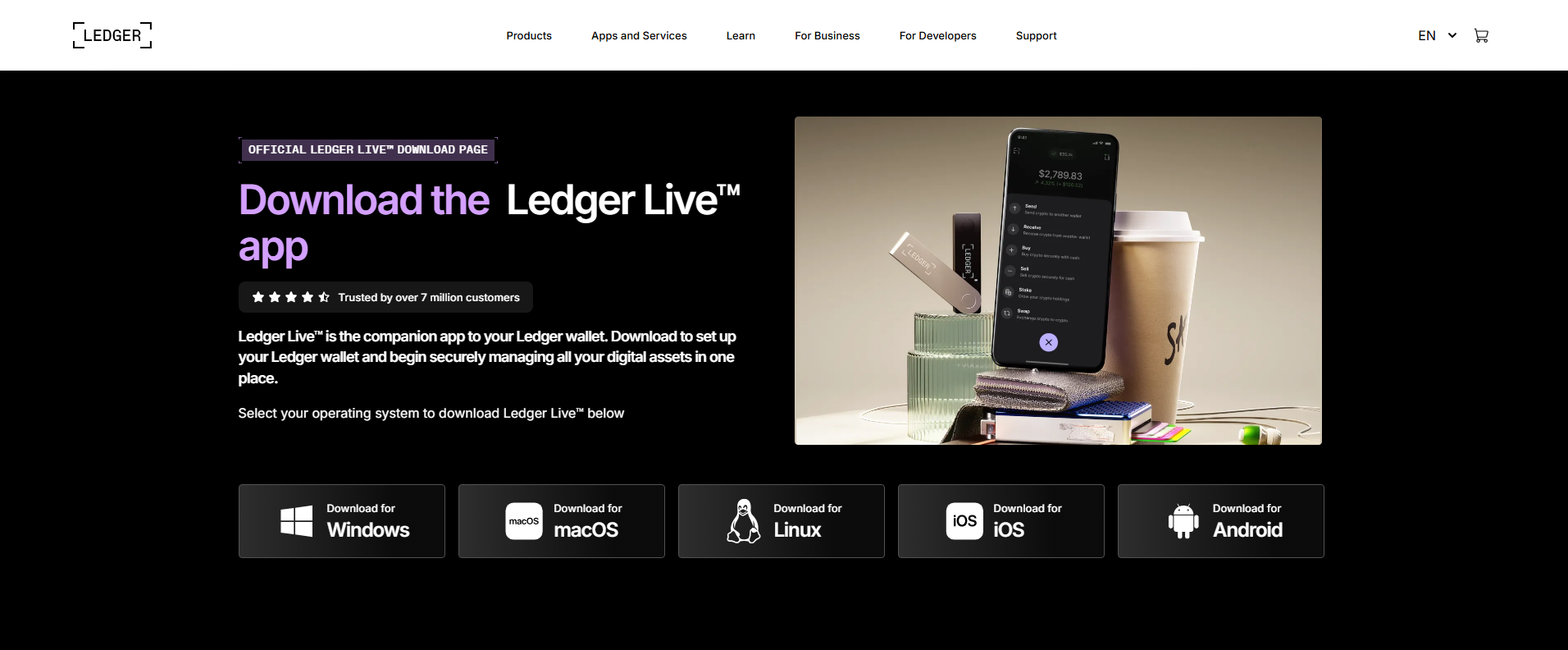
Ledger.com/start: Complete Guide to Setting Up Your Ledger Wallet
Getting Started with Ledger.com/start
Setting up a cryptocurrency hardware wallet correctly is an important first step toward managing digital assets responsibly. Ledger.com/start is a commonly used starting point for Ledger users who want to access official setup resources for their hardware wallet.
For beginners, the setup process may seem unfamiliar at first. However, following official instructions, understanding security practices, and taking time during configuration can make the experience much easier.
What Is Ledger.com/start?
Ledger.com/start provides access to setup guidance for users who are preparing a compatible Ledger hardware wallet. It helps users understand the steps required to connect their device, install the necessary software, and begin managing supported cryptocurrencies.
The setup process can vary depending on the Ledger model being used. Users should always follow the instructions designed for their specific device rather than relying on random online guides.
Why Use the Official Ledger Setup Page?
Cryptocurrency security begins with choosing reliable sources. Fake wallet websites and imitation applications are common problems in the crypto space, making it important to verify where software comes from.
By starting through Ledger.com/start, users can access official resources instead of downloading applications from unknown websites or following suspicious links.
Always check the website address carefully before entering any information or installing wallet software.
Preparing Your Ledger Hardware Wallet
Before beginning the setup process, make sure you have your Ledger device, a compatible cable, and a secure environment for configuration.
Connect the device according to the instructions provided and follow the setup prompts displayed through the official software. Avoid allowing another person to set up the wallet on your behalf because you should remain in control of all security-related steps.
Take your time and carefully review every message shown on both your computer and the hardware device.
Install Ledger Software
Ledger software provides the interface needed to interact with your hardware wallet. Through the application, users can manage supported cryptocurrency accounts, check balances, view transactions, and perform supported wallet activities.
Download the application only from official Ledger sources. Avoid third-party downloads, unofficial installers, and links received from unknown contacts.
A genuine-looking application is not always a legitimate application, so verifying the source is an essential security habit.
Create and Protect Your Recovery Phrase
During wallet setup, you may receive a recovery phrase that can be used to restore access to your wallet under certain circumstances.
This information should be treated as highly confidential. Write it down carefully and store it in a secure offline location.
Never save your recovery phrase in screenshots, cloud storage, email accounts, or online documents. Never share it with another person, even if they claim to represent customer support.
A legitimate support service should not ask you to provide your complete recovery phrase.
Managing Cryptocurrency After Setup
After completing the setup through Ledger.com/start, users can begin managing supported assets through Ledger software and their hardware wallet.
Common activities include checking account balances, receiving cryptocurrency, and preparing transactions. Each transaction should be reviewed carefully before approval.
Always confirm the destination address, asset type, network, and amount before completing a transfer.
Verify Transactions Before Approval
One of the important advantages of using a hardware wallet is the ability to confirm transaction information directly on the physical device.
Before approving a transaction, compare the details displayed on your Ledger device with the information you intended to send. If anything appears different, stop and investigate before confirming.
This careful approach can help reduce mistakes during cryptocurrency transfers.
Avoid Fake Ledger Support Requests
Scammers may create fake websites, emails, or messages pretending to provide Ledger assistance. These attempts often try to convince users to reveal passwords, recovery phrases, or other private information.
Be cautious of urgent messages claiming that your wallet needs verification, recovery, or immediate action. Instead of clicking provided links, access official Ledger resources independently.
Keep Your Ledger Software Updated
Regular software updates can provide improvements, compatibility changes, and security-related fixes. When updating your wallet software, always use official Ledger channels.
Avoid unofficial updates or applications that promise special features, free rewards, or emergency access to your wallet.
Conclusion
Ledger.com/start provides an official starting point for users setting up a Ledger hardware wallet. From connecting the device and installing the required software to protecting recovery information and verifying transactions, every step plays an important role in secure cryptocurrency management.
By following official instructions, keeping sensitive information private, and maintaining good security habits, users can create a safer and more organized experience with their Ledger wallet.
Updated about 6 hours ago